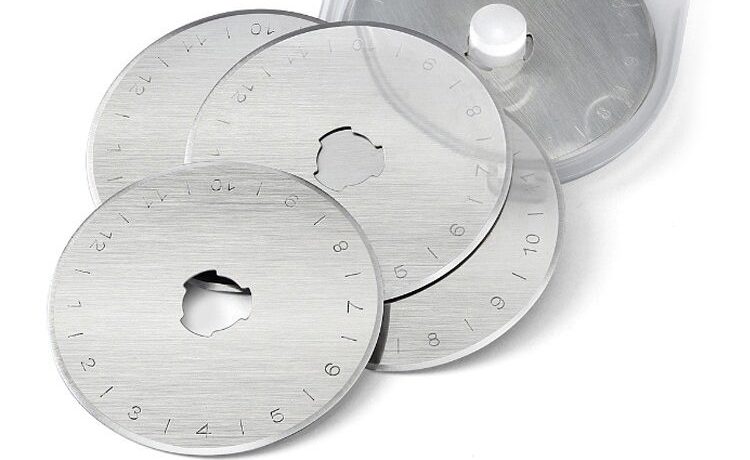
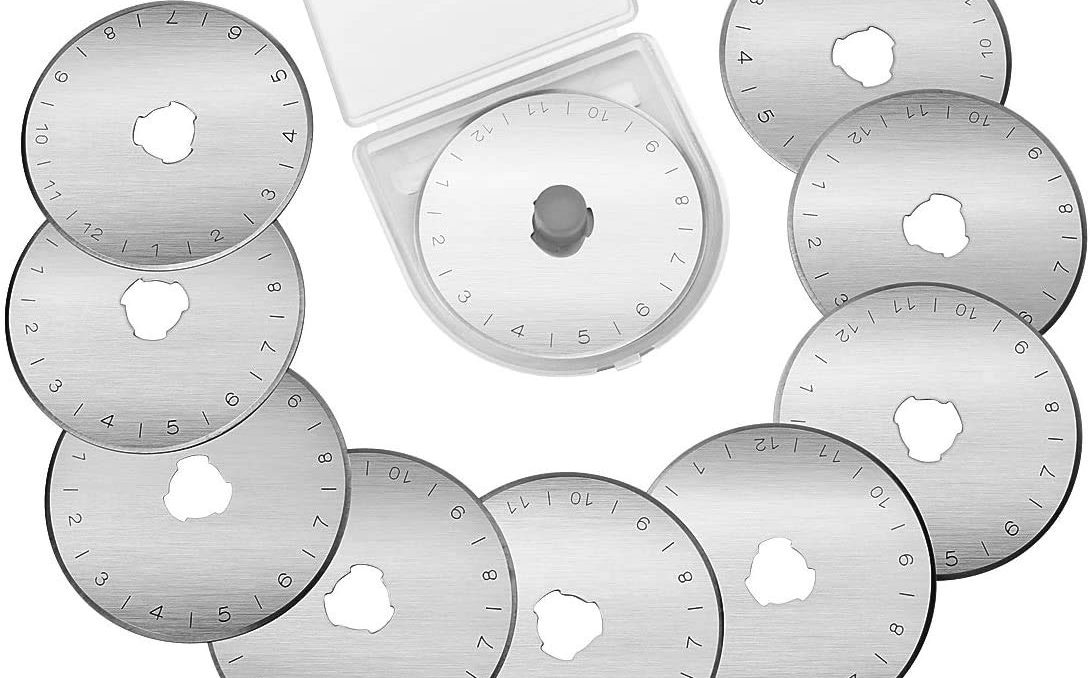
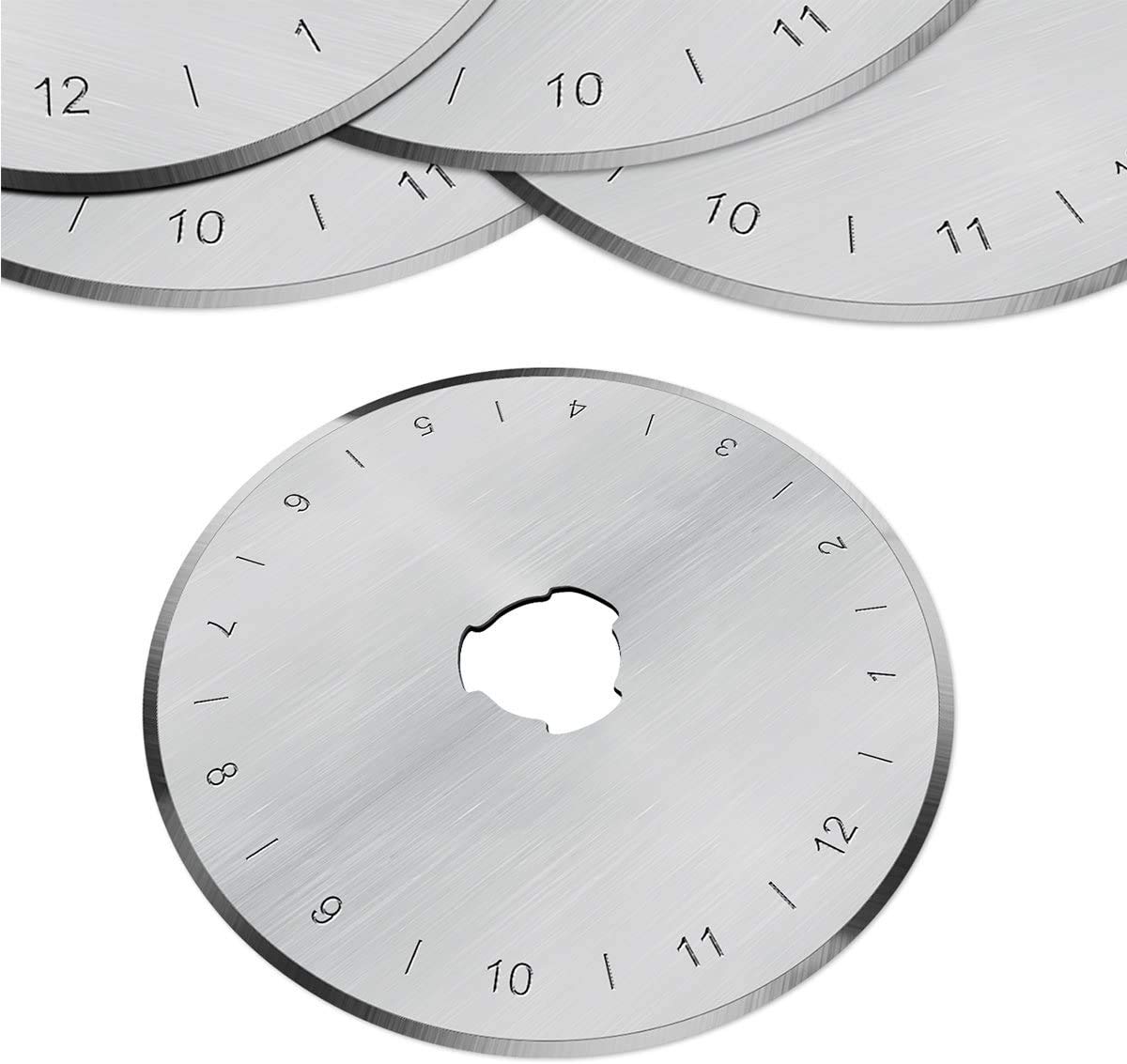
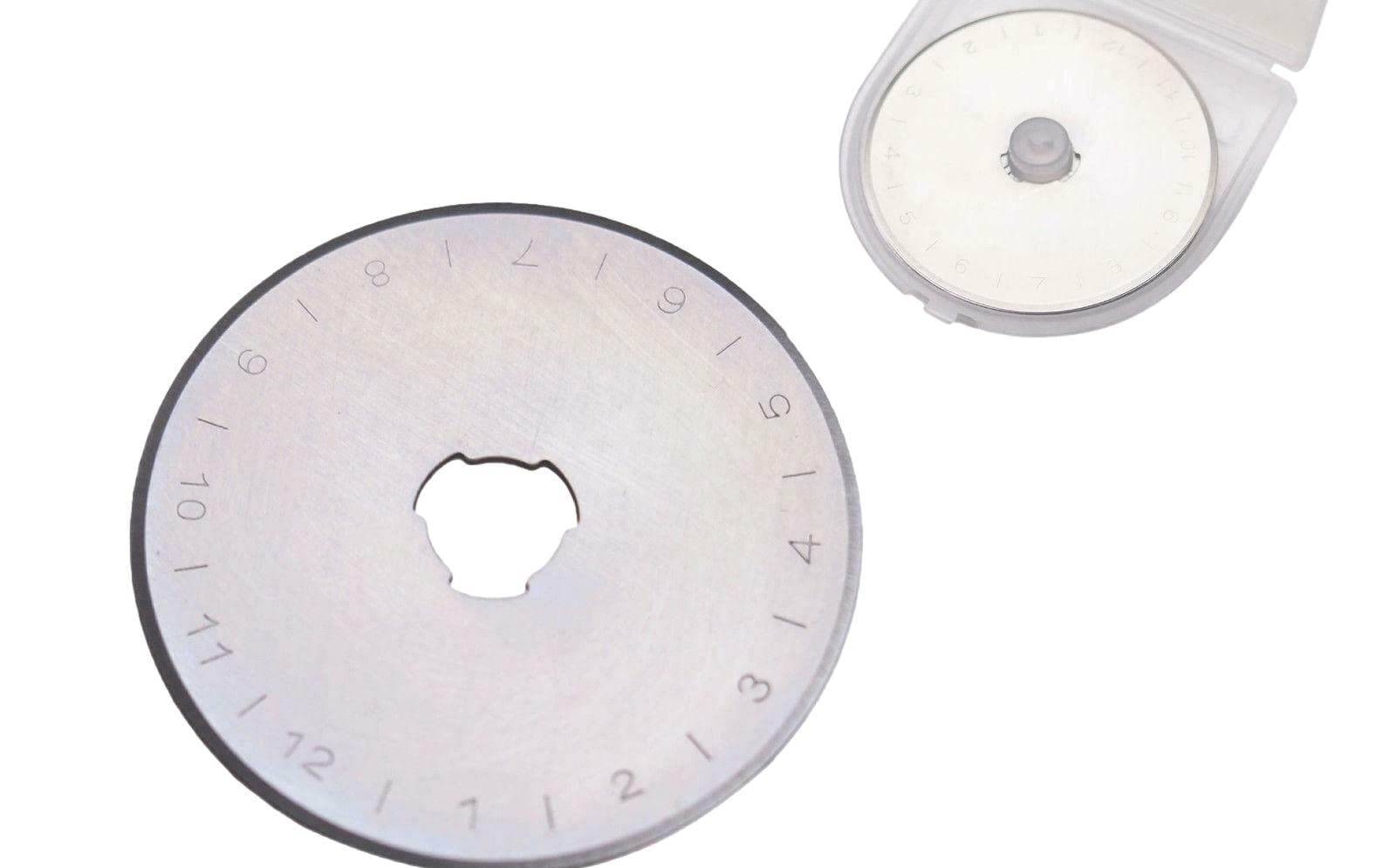
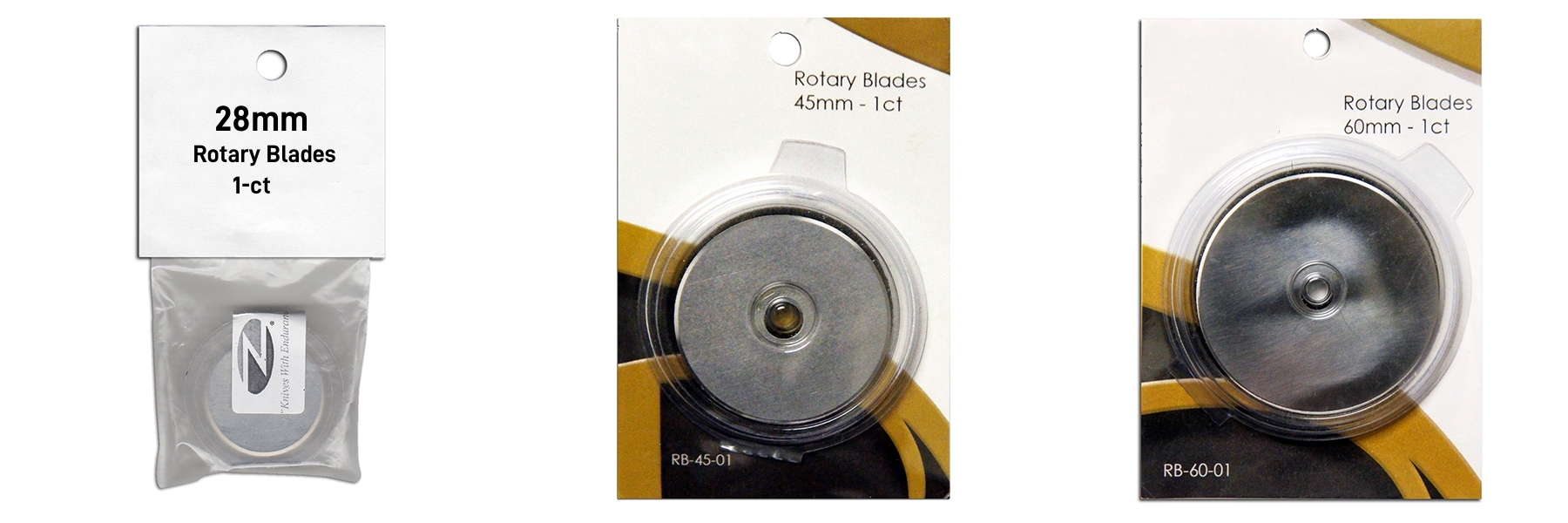
Blade Diameter: Choose the appropriate blade diameter based on cutting needs. Forinstance, a 45mm blade is suitable for most fabric cutting tasks, while a 28mm blade isbetter for detailed and intricate cuts.
Material Type: High-carbon steel blades are ideal for frequent use and cutting toughermaterials, while stainless steel blades offer better corrosion resistance and are suitablefor various environments.
Compatibility: Ensure that the chosen blade is compatible with existing Rotary Cutter tools to ensure stability and optimal cutting performance.
rotary cutter blade
How to Use
Install the Blade: Correctly install the Rotary Cutter Blade into the cutting tool according to the specific tool model.
Adjust the Angle: Ensure that the blade is parallel to the cutting surface for optimal cutting performance.
Perform Cutting: Firmly hold the tool and apply even pressure while cutting.
Clean and Maintain: After cutting, clean the blade to remove residue, and regularly check the sharpness of the blade.
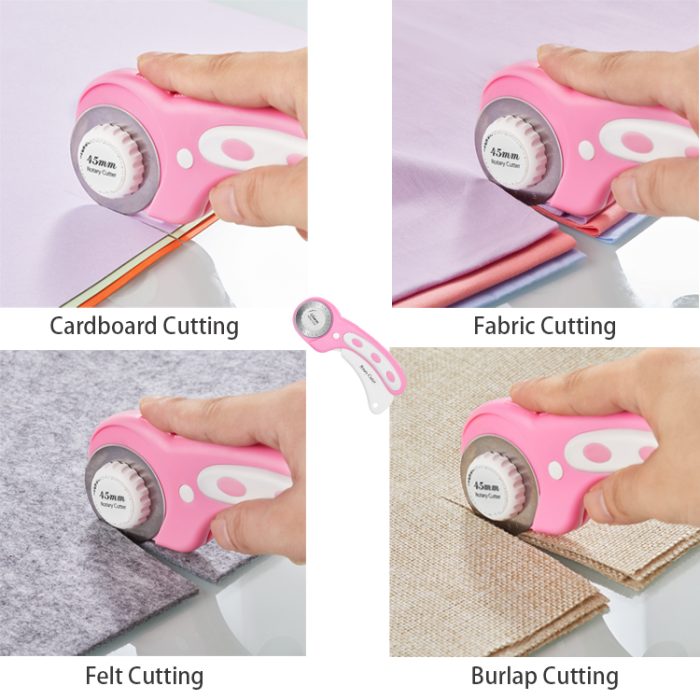
Multi-Layer cutting of card, fabric, fleece, vinyl, leather, cloth, felt, etc of up to about 8-16mm at once.
Blade Installation and Replacement Steps for Rotary Cutter Blade
Loosen the nut and remove the washer.
Withdraw the pivot.
Install a new rotary cutter blade on the safeguard
Assemble the pivot, washer, and nut accurately
Push forward the switch to CLOSE position whenever not operate.
The unique safeguard could swivel its angle automatically through the operator’s pressure.
Safety Tips
Use a Cutting Mat: Always use a self-healing cutting mat under your work to protect both your blade and your work surface.
Keep Fingers Clear: While cutting, ensure your fingers are safely out of the blade’s path. Use a ruler with a non-slip base for more precise and safe cutting.
Blade Storage: When not in use, always retract the blade or push the switch to the CLOSE position to prevent accidental cuts.
Replace Dull Blades Promptly: Regularly check the blade sharpness and replace dull blades to prevent fabric snagging or uneven cuts.
Blade Maintenance Tips
Sharpening Blades: Some rotary blades can be sharpened using a sharpening tool or kit. Sharpening extends blade life, ensuring smooth cuts over time.
Lubrication: If you’re cutting materials that leave residue, consider lightly lubricating the blade after cleaning it to maintain smooth operation.
Storage: Store blades in a dry, safe environment to prevent corrosion and accidental damage. Stainless steel blades are more resistant to rust, but proper storage is still important.
Contact us for more information on steel materials and finished products.