
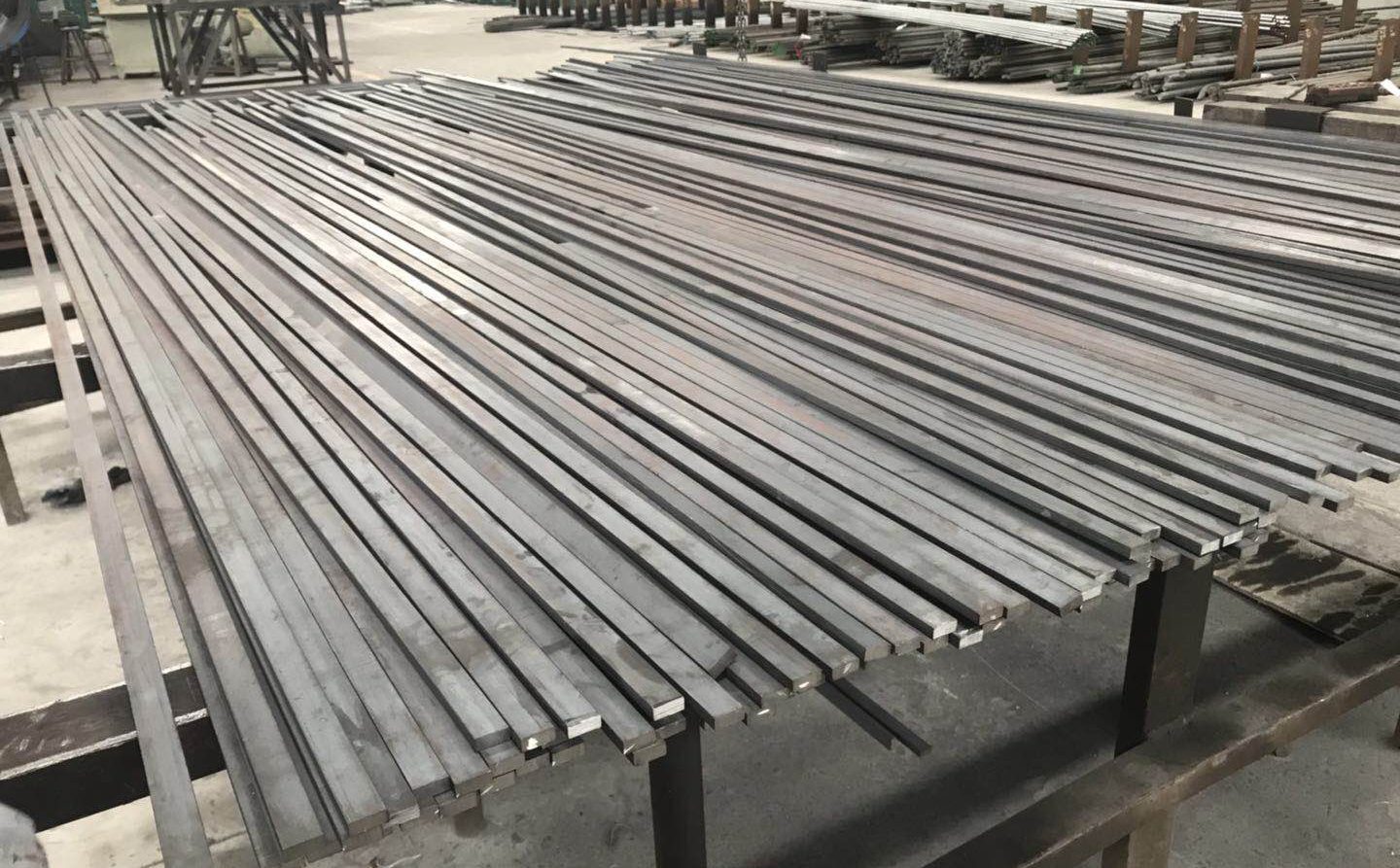
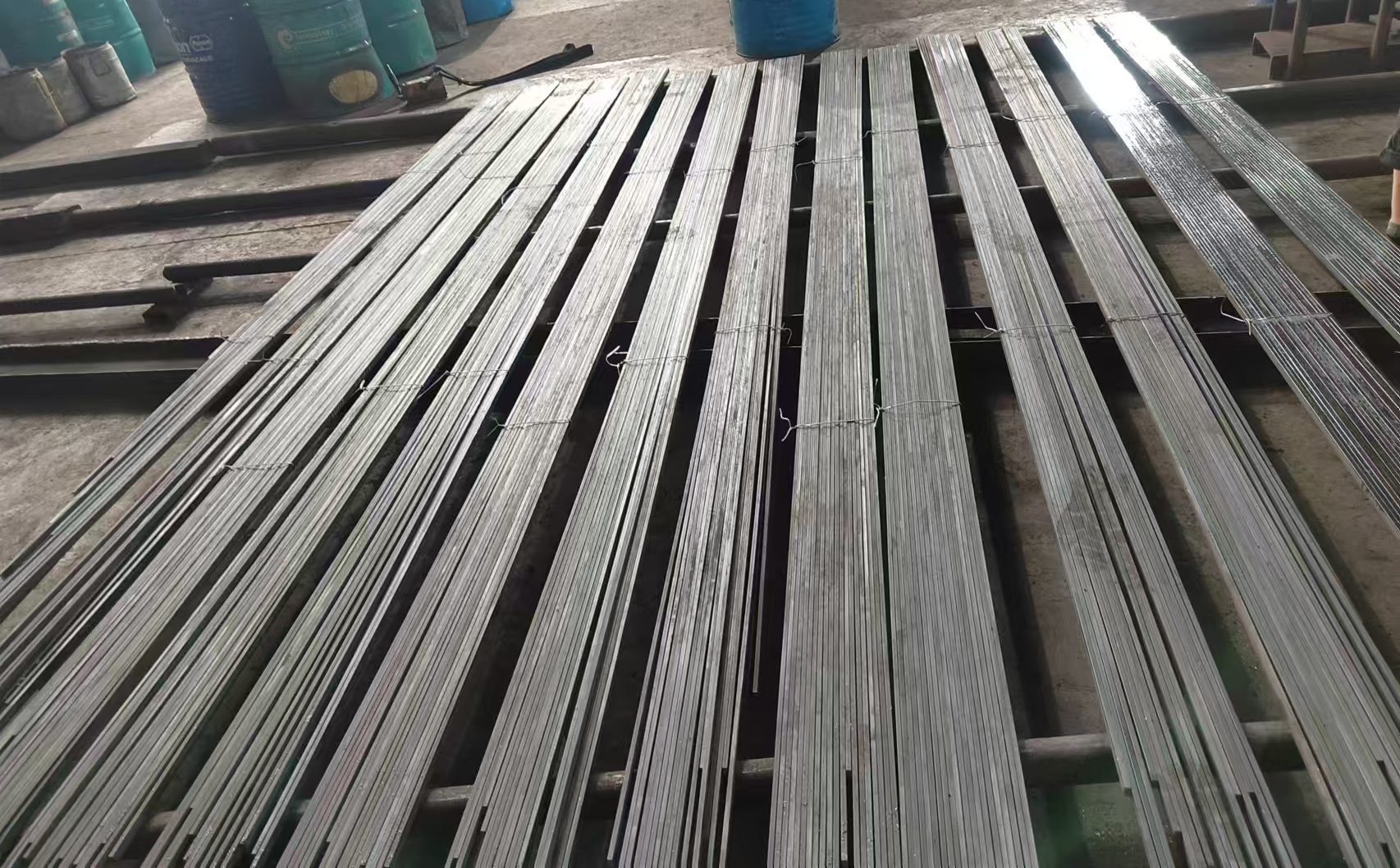
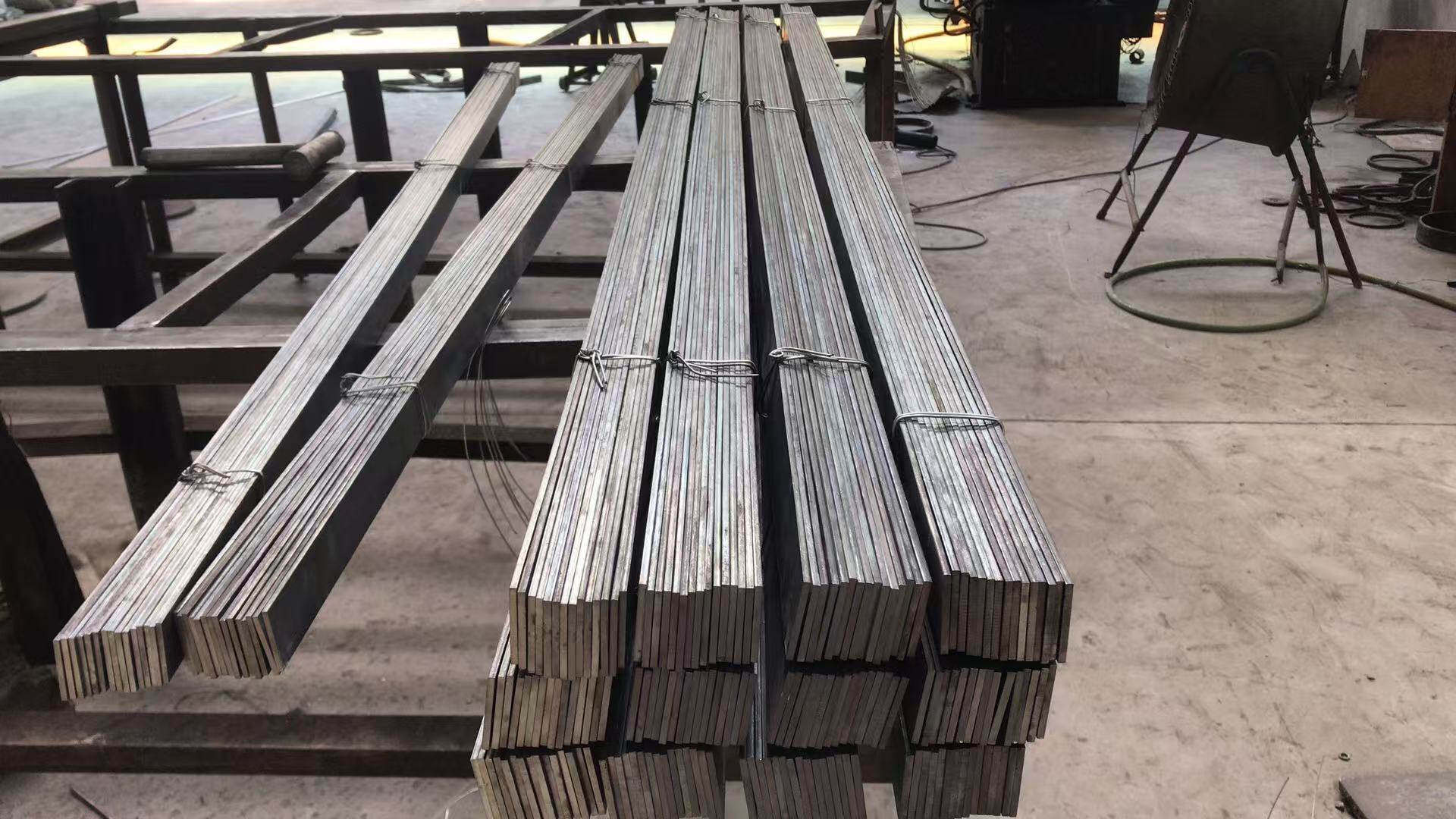
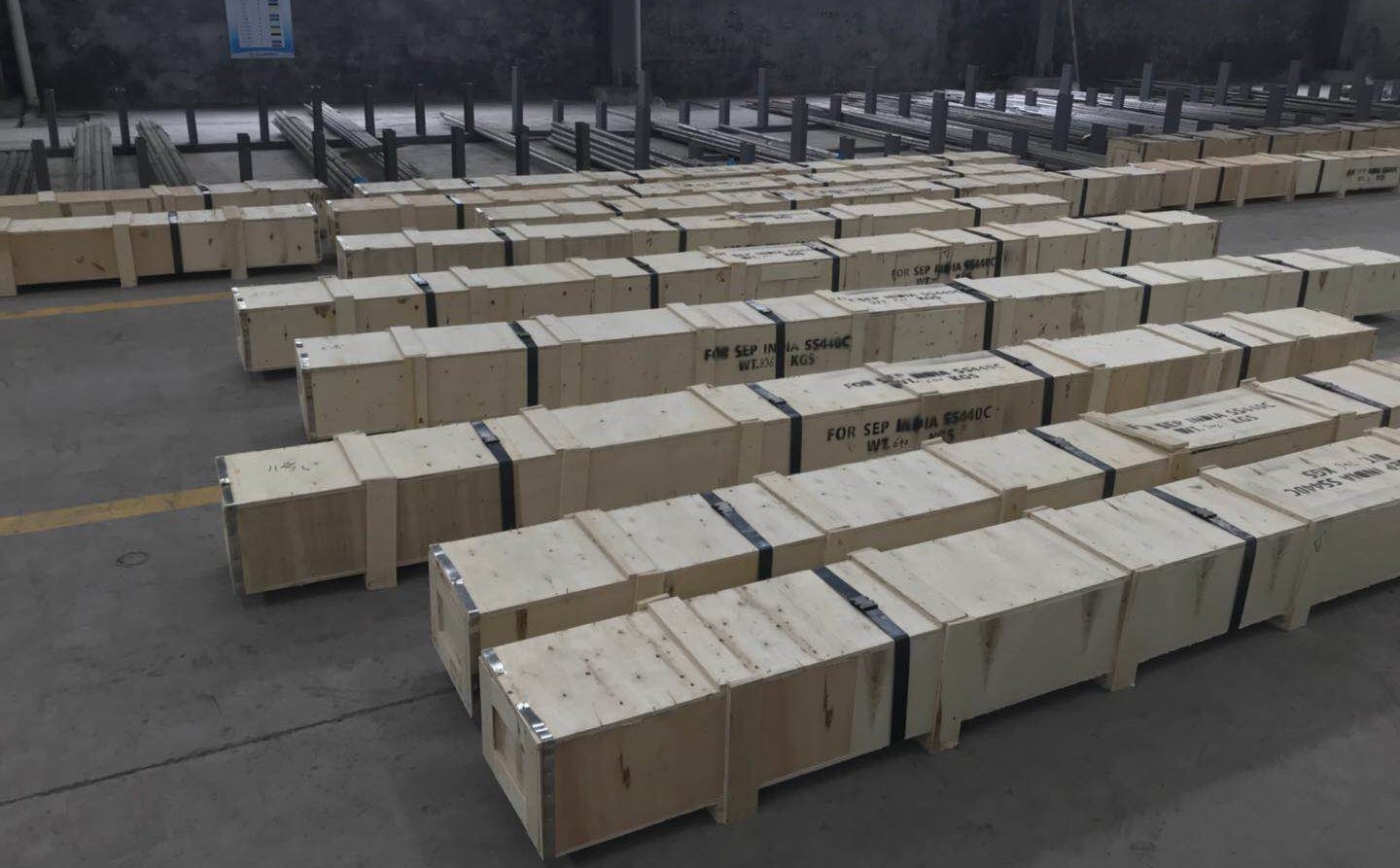
The martensitic stainless steel 11Cr17 is characterized by its martensite crystal structure. In this discussion, we will explore its mechanical properties, chemical composition, and specific applications, particularly its use in air conditioning sliders.
The 11Cr17 is a very strong stainless steel famous for its hardness and resistance to corrosion. It is known to have the highest hardness out of all the other heat-resistant stainless steel, which is why it is an excellent material for air conditioning sliders. This steel has the same properties as normal alloy steel and it is also called the 440c steel.
The Martensitic Stainless Steel 11Cr17 is famous for its magnetic qualities, exceptional strength, and corrosion resistance. It can be hardened through heat treatments, making it a suitable material for air conditioning sliders since they require strength, hardness, and wear resistance. The chemical properties of this stainless steel add to its unique properties. Let’s look into the chemical properties of the Martensitic Stainless Steel 11Cr17.
The 11Cr17 mostly comprises two major chemical components: Carbon (0.95% – 1.2 %) and Chromium (16.00% – 18.00%). The other elements found in this steel are sulfur, nickel, and manganese.
| C | Cr | Mn | Si | Mo | S | P | Ni |
| 0.95 – 1.2 | 16.00 – 18.00 | <1.00 | <1.00 | ≤0.75 | ≤0.030 | ≤0.035 | <0.60 |
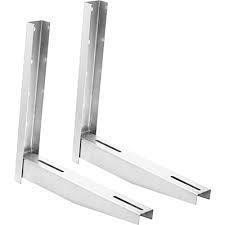
If you have an air conditioner in your home, you most likely have a martensitic stainless steel 11Cr17 in your residence. The best stainless steel for air conditioner sliders is the 440c steel because of the strength and impact resistance, ensuring durability.
11Cr17 stainless steel is frequently used in air conditioning slider manufacturing because of its exceptional mechanical properties, including resistance to corrosion and wear and the capacity to tolerate high temperatures.
Because air conditioners mostly operate in areas with unstable temperatures, the heat resistance of the 440c steel prevents the air conditioner sliders from deformation or failure that may be caused by heat. The even dispersion of carbides in 11CR17 increases its hardness and lessens wear brought on by the air conditioners’ frequent sliding action.
11Cr17 ensures smooth functioning by giving air conditioning sliders the strength and stability they need. Its consistent carbide dispersion and hardness increase durability, which lower friction. The longevity of sliders is increased by the steel’s resistance to rust caused by moisture and climatic conditions.
Using the 440c steel allows the slider to tolerate high temperatures and continue to function in harsh environments. Its resilience lessens vibration-induced damage by absorbing mechanical stress.
Martensitic stainless steel 11Cr17 stands out from other steel varieties thanks to a special set of qualities and performance traits. These differences result from its chemical makeup, resistance properties, and treatment procedures. The unique qualities of the 440c steel make it stand out and improve the performance of air conditioning sliders.
The 11Cr17 has a high carbon and chromium content compared to other steel. This steel is strengthened through heat treatment, adding to its magnetic features and high strength. The perfect balance between the carbon and chromium content in the 440c steel makes it possible for the steel to combine wear resistance, corrosion resistance, and high hardness. This feature is necessary for air conditioning sliders as it prevents them from degrading and rusting over time.
The 11Cr17 works well under different temperatures, which is a perk of its excellent heat resistance. This property is necessary for manufacturing tools that produce large quantities of heat during use, such as an air conditioning slider. The heat resistance of the 440c steel in air conditioning sliders ensures reliable performance even under high temperatures.
The Martensitic stainless steel 11Cr17 has a chromium content of 17%, which makes it resistant to corrosion and oxidation. This feature is important in settings where mildly corrosive components are exposed. The corrosion resistance of the 440c steel guards against pitting and rust, which can impair air conditioning slider performance. This resistance lowers maintenance costs and increases component longevity.
The wear and corrosion of regular steel air conditioning sliders caused frequent equipment malfunctions and expensive maintenance costs for a large HVAC manufacturer. They observed a notable decrease in maintenance frequency and expenses following the transition to 11Cr17, which is renowned for its exceptional corrosion protection and wear resistance.
A standout feature of the heat treatment of the 11Cr17 is the increased strength of the steel making it suitable for various use. When heated and quickly cooled, the atoms take on a distorted shape known as body-centered tetragonal, which gives the steel its strength and hardness; this makes it an excellent material for air conditioning sliders. Here are some of the ways to harden the 440c steel.
This method increases the strength and hardness of the steel by heating it to produce precipitates. This precipitate stops molecular flaws from migrating. The Martensitic stainless steel 11Cr17 becomes tougher and stronger when these flaws are contained.
The steel is then heated and maintained at an elevated temperature for hours until the process is complete. This way, the strength of the steel is enhanced, which is essential for components like air conditioning sliders that endure wear and friction.
This method involves heating the steel, cooling it immediately, and then reheating it to have a stronger and harder metal. After the first heating process, the steel strengthens. However, it becomes very brittle, which is why the second heating process takes place. The second heating process is done to bring the 440c steel back to a ductile temperature.
Annealing is a method of heating the steel to increase uniformity and reduce the stress on the steel. This method makes the steel more workable and softer. This way, the 440c steel can be used to manufacture air conditioning sliders since it will be easily bendable for the slider shape.
| Properties | Range | SI Units |
| Tensile Strength | 272-812 | Mpa |
| Yield Strength | 500 – 700 | σ 0.2 ≥/Mpa |
| Elongation | 98 | δ5≥% |
| Akv | – | Akv≥/J |
| HBS | 657-693 | – |
| HRC | 30 | – |
Are you wondering what makes 11Cr17 Martensitic Stainless Steel so special? Its performance is greatly influenced by its peculiar mechanical characteristics, particularly in demanding applications such as air conditioning sliders. The following are some unique features that distinguish it.
One of the main properties of the 440c steel is its impressive hardness and strength due to its high carbon content. This feature of the 11Cr17 makes the steel perfect for applications that require resistance to wear. Because of these characteristics, it is an excellent option for crucial parts like air conditioner sliders subjected to dampness, fluctuating temperatures, and continuous motion.
The 440c steel has a yield strength ranging from 500 to 700Mpa. This range differs based on the specific alloy composition and the heat treatment. But in general, it has a very high yield strength, which guarantees that the steel will not bend even under extreme force.
Air conditioners are quite heavy devices, and since they are placed on sliders, these sliders need to have a very high yield strength, which is why they are made with the 11Cr17.
Customers in the HVAC sector have experienced high maintenance costs and frequent equipment failures with their air conditioners. The material’s increased yield strength considerably decreased the failure frequency after they shifted to the 440c steel for their air conditioning sliders.
The Martensitic stainless steel 11Cr17 hardness is what makes it wear-resistant. It prolongs component life by providing exceptional resistance to abrasion and wear. Air conditioner sliders are subjected to friction, which makes them easily degrade. The use of the 440c steel reduces surface degradation, which is why it is used for manufacturing air conditioning sliders.
Elasticity is the ability of a material to contract or deform before breaking. This property helps to reduce the risk of cracking or failure, as it enables the steel to absorb and distribute sensing loads in the wind turbine compression. These variables ensure that an air conditioner slider maintains its structural integrity in time despite stresses and movements.
It is not news that the 440c steel is much harder when compared to other stainless steel. However, this steel’s increased hardness makes it more brittle than usual in colder conditions. Regardless, it still possesses an adequate amount of toughness, which guarantees longevity in air conditioning sliders, even under challenging working circumstances.
| Property | Martensitic Stainless Steels | Austenitic Stainless Steel | Ferritic Stainless Steels |
| Hardness | High (50-60 HRC) | Moderate (20-30 HRC) | Low (20-30 HRC) |
| Tensile Strength | High (>1,000 MPa) | Moderate (500-800 MPa) | Low to moderate (400-600 MPa) |
| Corrosion Resistance | Moderate | High | Moderate to Good |
| Heat Treatable | Yes | No | No |
| Machinability | Good | Excellent | Good |
The tool industry extensively uses 440c steel, a high-performance martensitic stainless steel, because of its exceptional strength, resistance to wear, and stability at high temperatures. For the production of air conditioning sliders, these same qualities make it a great option. Let’s examine in more detail the industrial application of 11Cr17.
The production of mold and die is a very complex one and requires a material that is durable and has high-stress resistance. The 11Cr17 is the perfect material for such production and is widely used in mold and die casting.
Molds and dies made from 440c steel provide exceptional durability in the production of air conditioning sliders. Its ability to maintain hardness after heat treatment and withstand wear even after a long time makes it the perfect choice.
The air conditioning slider assembly requires machine parts to withstand continuous mechanical stress. Even in high-stress situations, these components maintain their shape and functionality because of 11Cr17’s high yield strength and toughness. As a result, maintenance is performed less frequently, resulting in reduced downtime and lower production expenses overall.
11Cr17’s remarkable hardness and edge retention make it the perfect material for cutting tools used in the manufacturing of air conditioning sliders. Long-term sharpness retention by these instruments lowers the need for replacements and production process downtime, increasing productivity.
We at Zeicin are pleased to provide superior Chinese steel using our in-house RS ESR (Refined Structural Electroslag Remelting) technology and more than 20 years of experience. Modern methods of production allow us to manufacture high-performance tool steels, knife steels, and components like air conditioning sliders that can withstand really difficult working conditions.
The internal structure of the steel is improved by the RS ESR technology used in our manufacture, resulting in a uniform distribution of carbide particles. As a result, it offers a material renowned for being strong, resilient to wear, and extremely durable, making it appropriate for high-performance applications such as long-lasting air conditioning slider manufacturing.
Zeicin, an ISO 9001:2008 certified company, uses cutting-edge production techniques that strictly adhere to quality assurance. This guarantees our steel’s exceptional hardness, resistance to impact, and corrosion resistance. Air conditioning sliders and other essential parts have all of these properties by nature.
By choosing 440c steel from Zeicin, you may get the greatest quality at a lower cost. This lowers the purchase cost, allowing the client to maintain market competitiveness. For your next project, use Zeicin’s 11Cr17 steel, which combines economy, performance, and quality with the newest technology and a track record of dependability.
In comparison to the austenitic stainless steel, the 11Cr17 is stronger. However, it is less corrosive resistant.
Martensitic stainless steels mainly comprise of Chromium and carbon as their key alloying elements. Chromium increases corrosion resistance, whereas carbon is important in increasing hardness and strength.
Heat treatment significantly increases the hardness and strength of martensitic stainless steels 11Cr17. This process involves heating and rapidly cooling the steel, which changes the steel’s microstructure into martensite.
In summary, 11Cr17 stainless steel is perfect for air conditioning sliders due to its outstanding durability, corrosion resistance, and corrosion resistance. Its ability to preserve accuracy, high performance, and longevity of parts is invaluable to manufacturers looking to increase productivity and save on maintenance costs.
Customers can improve the efficiency of their air conditioning system and improved reliability through reduced downtime, extended product life and overall cost savings by choosing the 440c steel for air conditioning sliders.